
What makes nutrition coaching personal?
“Personal” does not mean placing your name on a standard meal plan. It means the structure reflects the foods you eat, the time you have, the training you perform, the support you need, and the changes you can realistically maintain.
What does a useful nutrition framework include?
A repeatable meal structure
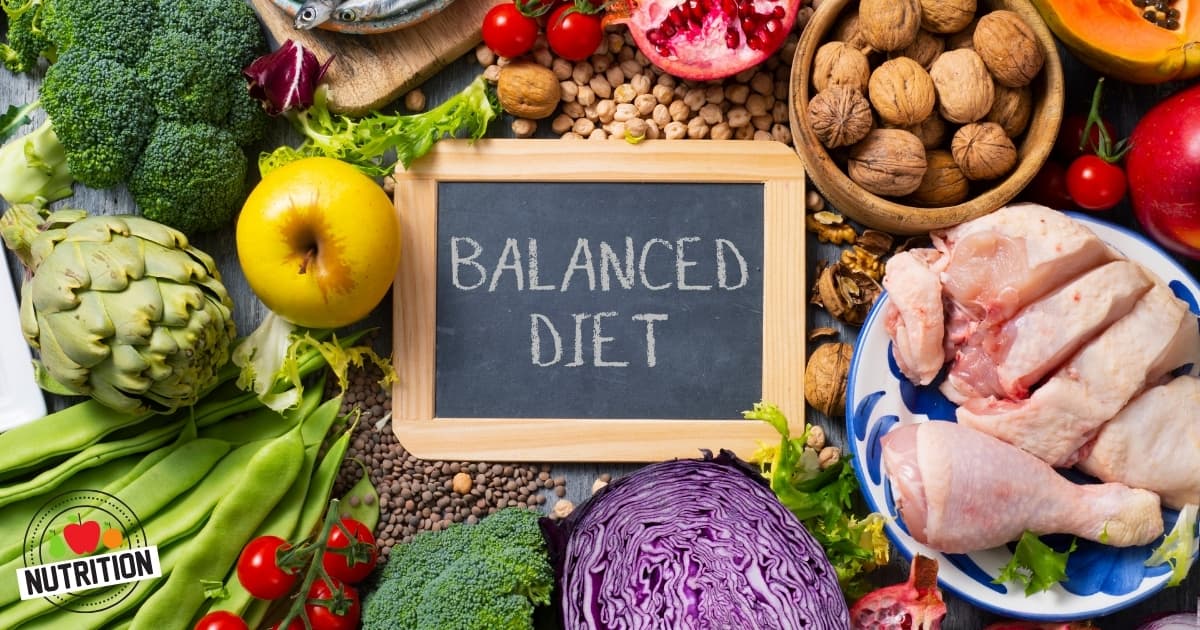
Meals can be built from recognizable roles: a protein source, produce, carbohydrates that suit the activity and preference, and fats in an amount that fits the overall plan. The exact foods can vary.
A way to evaluate portions
Some clients prefer measuring food and tracking intake. Others need a simpler plate or hand-based framework. The method should produce useful information without creating more friction than it solves.
A plan for difficult situations
Travel, restaurants, family meals, busy mornings, and weekends are part of the plan—not exceptions that prove you failed.

How should you read a nutrition label?
Begin with serving size and servings per container. Then place calories and nutrients in the context of how much you will actually eat. A front-of-package phrase does not replace the complete label or ingredient list.
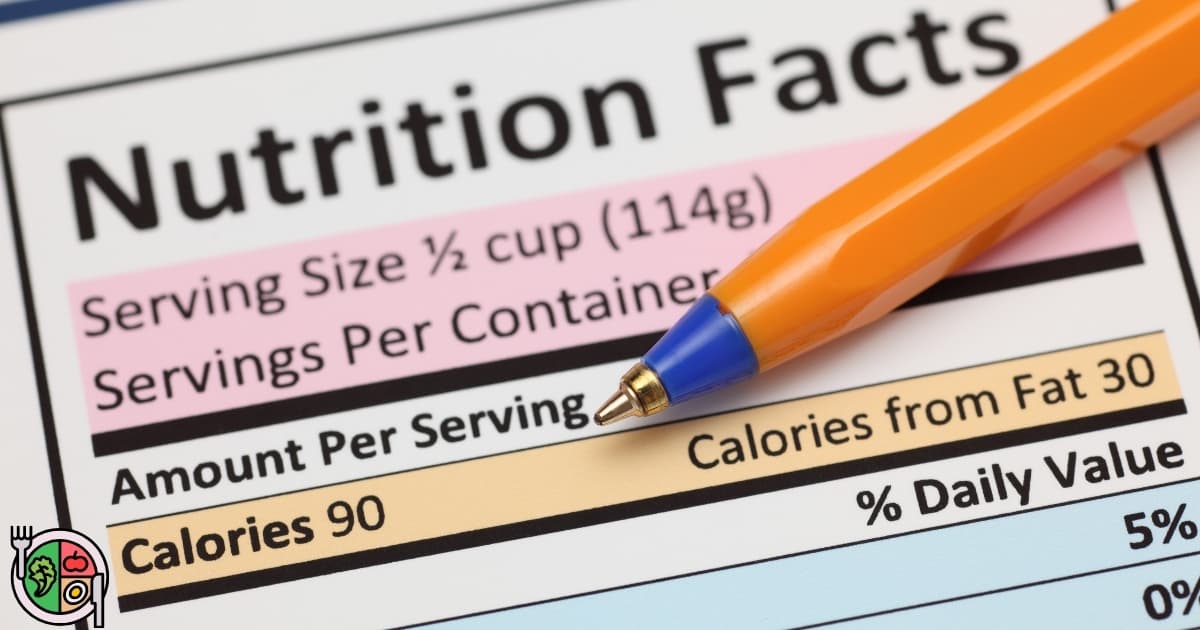
The FDA explains that the percent Daily Value can help show whether a serving contributes relatively little or a lot of a nutrient. It is a general reference, not a personalized prescription.
Where does coaching stop?
Nutrition coaching is not medical nutrition therapy. Symptoms, eating disorders, allergies requiring clinical management, kidney disease, diabetes treatment, pregnancy nutrition, and other medical needs belong with appropriately licensed healthcare professionals.
What should you ask a nutrition coach?
- How will the plan reflect foods I already eat?
- How will we measure progress beyond daily scale changes?
- What support and check-ins are included?
- How do you handle medical questions outside your scope?
- Will I learn how to make decisions without the coach?